
Blog
After the renovation: where the dust went
Drywall sanding, floor refinishing and demolition make a fine dust that travels. If the heating or cooling ran while the work went on, some of it is in the ducts.
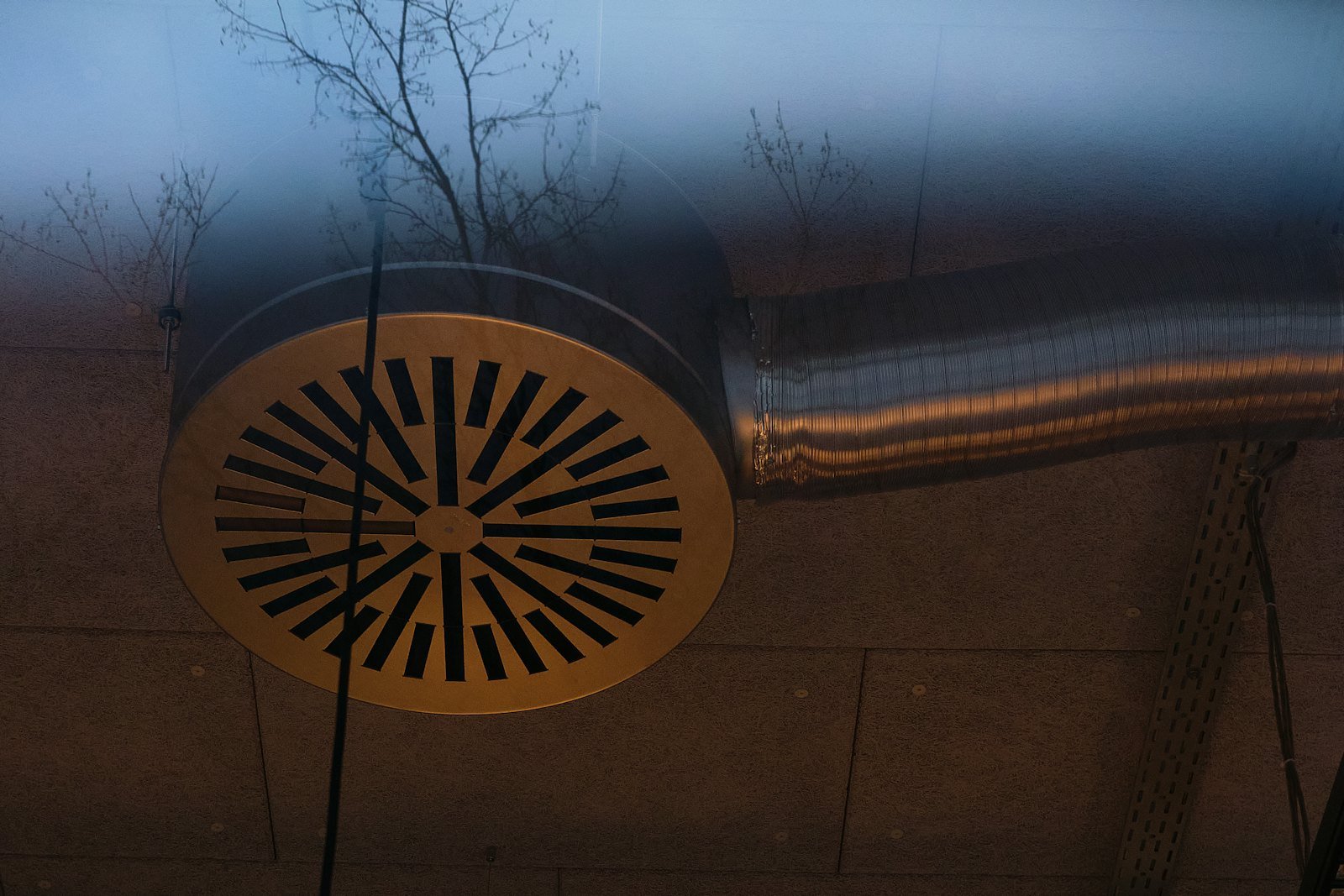
Construction dust is finer than ordinary household dust, and a forced-air system is very good at moving it. The return grilles pull air from the rooms being worked on, the filter catches some of what comes with it, and the rest settles in the return ducts, on the blower and across the face of the coil.
Keeping it out while the work goes on
If the weather allows, turn the system off during sanding and demolition. Cover the return grilles in the work area with plastic sheeting and tape, and the supply registers as well, so dust is not pushed into the rooms that are still clean.
Put in a new filter before the work starts and another when it finishes, and look at it in between. A filter that is grey after a week is telling you how much is getting past the plastic.
How to tell if it got in
A fine white or grey film on furniture a day after it was wiped. A puff of dust from the registers when the system starts up. A filter that was new last week and is already clogged. If you are not sure, a camera down one of the return ducts will settle it in a minute.
What to do about it
If the returns were sealed and the filter did its job, a fresh filter may be all the system needs. If it ran with open returns through weeks of sanding, the dust is in the return side and on the blower, and it will keep coming out of the registers until it is removed.
That is a whole-system job: air duct cleaning, with the blower wheel and the coil face included, because that is where the finest dust ends up and where it costs the system the most airflow.
Floor refinishing is the one to plan around. The dust is very fine, there is a great deal of it, and it tends to come near the end of a project, just when everyone wants the heating or the air conditioning back on.
Questions
Asked about this
Avoid it during sanding and demolition if you can. If you cannot, seal the return grilles in the work area and change the filter often.
It can. Fine dust clogs filters quickly and coats the blower and the coil, which makes the system work harder for the same amount of air.
Sometimes. If the returns were covered and the filter was changed during the work, it may be. If dust still blows out of the registers after a new filter, it is already in the ducts.
Book a visit.
Book two services together and they are quoted as one visit.
Mon–Sat, 9am–7pm. A person answers.